

 Malaria
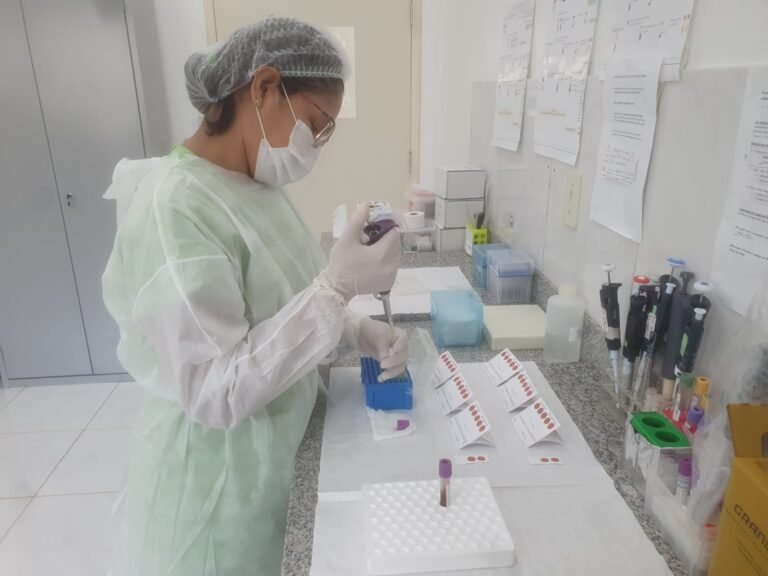
The call selected 10 projects focusing on malaria prevention and control in Brazil.
Challenge
In 2018, 194.271 malaria cases were notified in Brazil. 99% of those cases occurred in the Amazon region. From January to March 2019, the country registered 31.872 cases, according to Ministry of Health data, representing a reduction of 38% in comparison with the same period of the previous year. Spite the progress, Brazil still accounts for 22% of all malaria cases in Latin America, lagging behind Venezuela, which accounts for 53% of cases, per the last world malaria report.
Goal
To support the development of scientific and/or technological research (about prevention, detection and fight against malaria in Brazil) that can effectively contribute to the advancement in knowledge, training of human resources, creation of products and improvement of health surveillance programs, control, elimination and prevention of this neglected disease, so as to achieve the Sustainable Development Goals, in line with elimination program established by the World Health Organization, with the purpose of improving the health conditions of the Brazilian population.
Projects were classified according to the following themes:
- Treatment: Evaluation of adherence to malaria treatment in Brazil and compliance with the therapeutic regimens recommended by the Ministry of Health;
- Diagnosis and Epidemiology: Strategies to improve surveillance of malaria cases in the Amazon, in order to better understand the outbreaks of infection and the impact of migration patterns through the development of new diagnostic methods and surveillance approaches;
- Vector Biology and Control: To support studies that increase knowledge about the vector, including its biology, interaction with the plasmodium and relationship with the environment, with the purpose of preventing transmission;
- Economic Impact Assessment of Social Technologies: To support the development of studies that provide an understanding of the economic impact of malaria in endemic (with transmission) and non-endemic (without transmission) areas of Brazil and the development of more accurate tools for this assessment.
Projects in Malaria
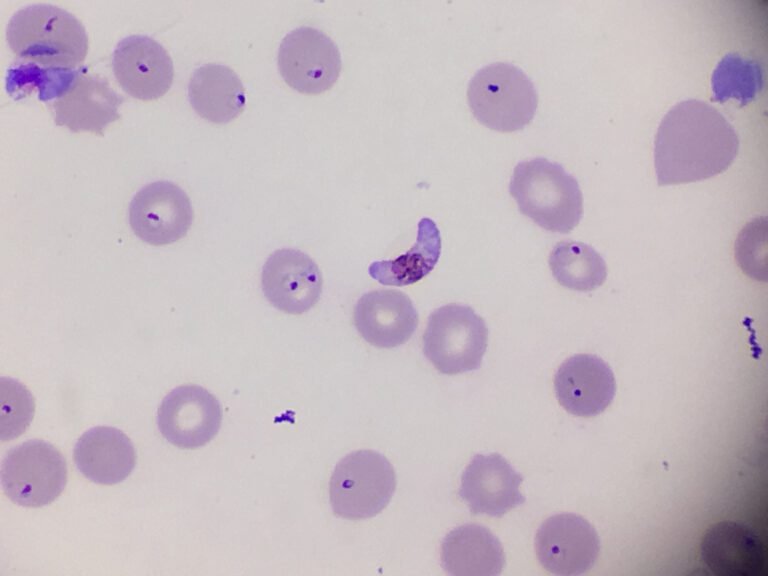
Integrating Molecular Surveillance for P.falciparum elimination in Brazil
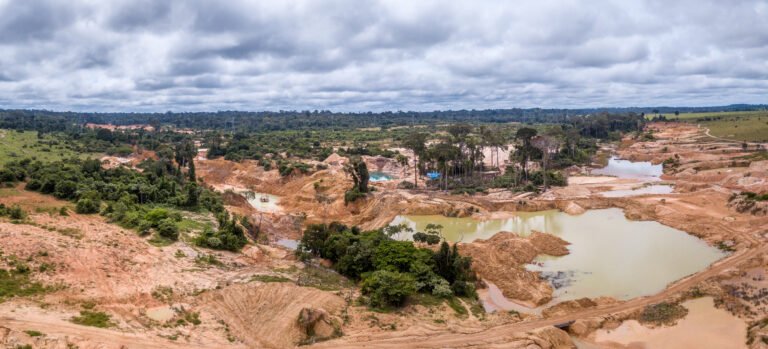
Genomic Epidemiology of Malaria in a Gold Mining Areas in Brazil
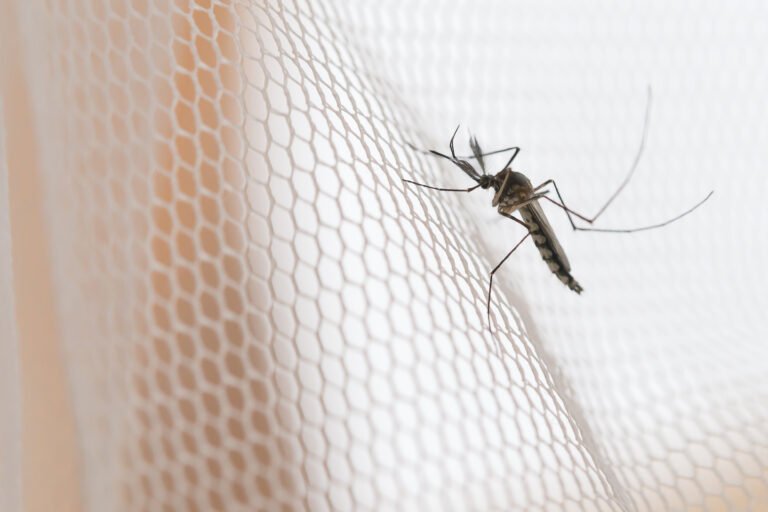
Evaluation of the use of long-lasting insecticide impregnated nets (LLINs) as a strategy to control malaria transmission and its implications, in five Brazilian Amazon States
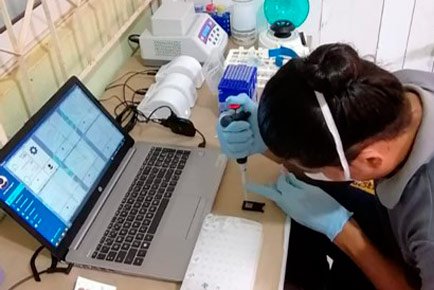
Validation of a complete technological solution (extraction + qPCR) to help the diagnosis of Plasmodium falciparum or Plasmodium vivax in low resource settings
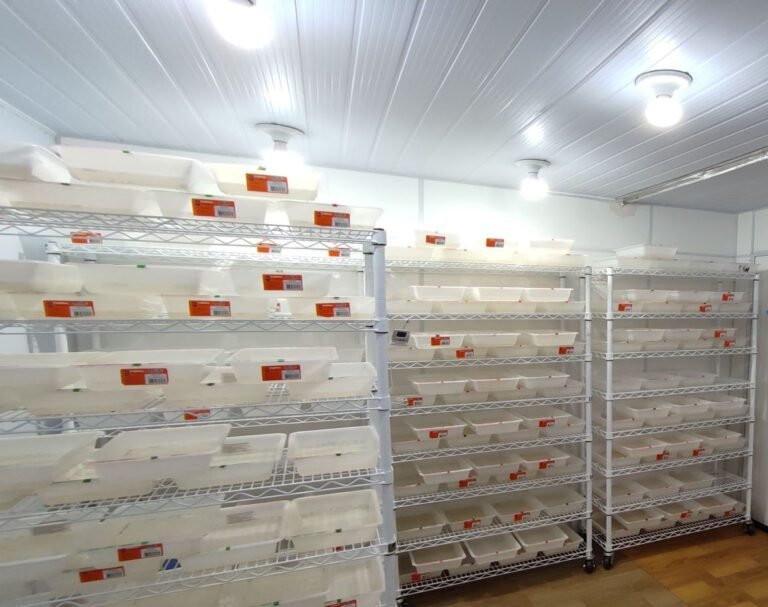
Platform of production and infection of Nyssorhynchus darlingi- experimental study of the pathogen-vector relationship (Plasmodium vivax - Ny. darlingi) for the development of control strategies in Brazil
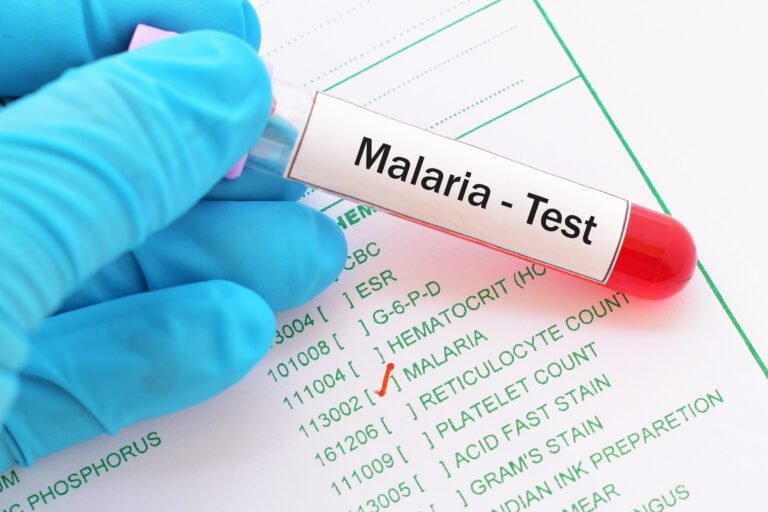
Monitoring asymptomatic individuals with submicroscopic parasitemia of Plasmodium vivax and their transmission to Anopheles (Nyssorynchus) darlingi

Phase I, single-center, randomized, open, parallel-group study for pharmacokinetic evaluation of artesunate-mefloquine use in combination with primaquine and tafenoquine (AMino Study)
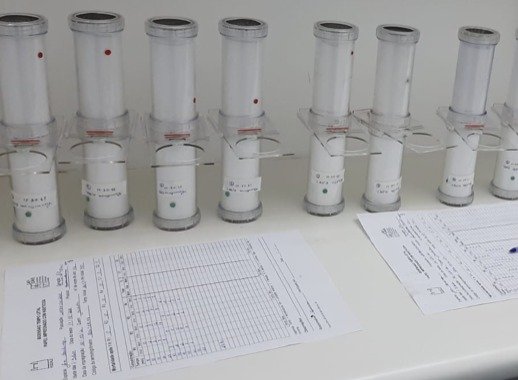
Insecticide resistance evaluation in anopheline from high malaria-endemic regions from Brazil

Identification of metabolomic signatures associated to the hypnozoite activation in Plasmodium vivax (HIPNOPRINT)

The economic cost of malaria in Brazil
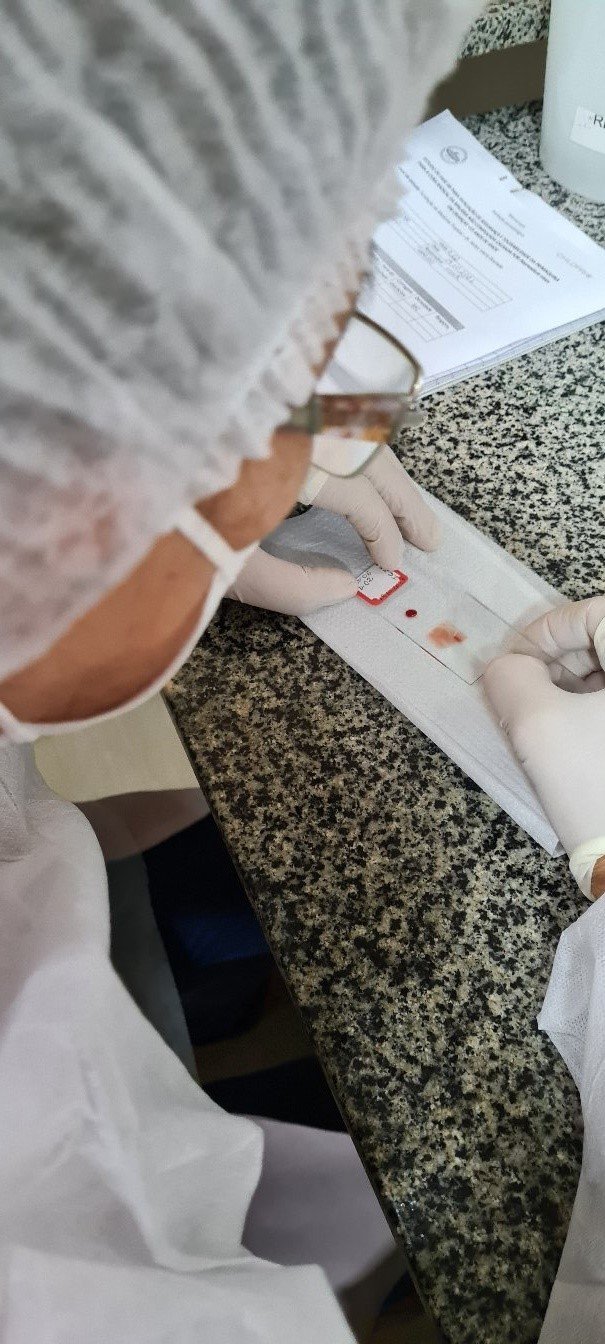
Phase II study to evaluate primaquine safety and tolerability for radical cure of uncomplicated Plasmodium vivax malaria in children (CHILDPRIM Study)

Data Science applied to epidemiological and demographic information as a strategy to simulation and malaria vigilance monitoring in the Brazilian Amazon
Latest studies published in Malaria
- Human pandemic K27-ST392 CTX-M-15 extended-spectrum β-lactamase-positive Klebsiella pneumoniae: A one health clone threatening companion animals - 12/2022
- Challenges on solar oxidation as post-treatment of municipal wastewater from UASB systems: Treatment efficiency, disinfection and toxicity - 12/2022
- Exploring the Bacteriome and Resistome of Humans and Food-Producing Animals in Brazil - 08/2022
- World Health Organization critical priority Escherichia coli clone ST648 in magnificent frigatebird (Fregata magnificens) of an uninhabited insular environment - 08/2022
- Solar photo-Fenton mediated by alternative oxidants for MWWTP effluent quality improvement: Impact on microbial community, priority pathogens and removal of antibiotic-resistant genes - 08/2022
- Different Swine Production Systems Can Shape Slurry Resistome at Mechanism and Class Levels Based on Swine Manure Evaluation - 07/2022
- Large Scale Genome-Centric Metagenomic Data from the Gut Microbiome of Food-Producing Animals and Humans - 06/2022
- Genomic Analysis of a Highly Virulent NDM-1-Producing Escherichia coli ST162 Infecting a Pygmy Sperm Whale (Kogia breviceps) in South America - 06/2022
- Genomic insights of high-risk clones of ESBL-producing Escherichia coli isolated from community infections and commercial meat in southern Brazil - 06/2022
- Genomic insights of high-risk clones of ESBL-producing Escherichia coli isolated from community infections and commercial meat in southern Brazil - 06/2022
- Phylogenomic analysis of CTX-M-15–producing Enterobacter hormaechei belonging to the high-risk ST78 from animal infection: another successful One Health clone? - 06/2022
- Susceptibility to first choice antimicrobial treatment for urinary tract infections to Escherichia coli isolates from women urine samples in community South Brazil - 06/2022
- High-Frequency Detection of fosA3 and blaCTX–M–55 Genes in Escherichia coli From Longitudinal Monitoring in Broiler Chicken Farms - 05/2022